
Dr. David Jeremiah Presents
Living inthe Ageof Signs
Online Destination

Living in the Age of Signs
Online Destination
Sign 1



Vivid and Vile
Today’s Audio Devotion:
Vivid and Vile
Sometimes you can’t turn the screen off fast enough. You thought it was a safe show; you were scanning social media; you were listening to a book on audio. Suddenly you were subjected to unwanted sexuality, profanity, or violence.
Because of the sinful nature within us, our imaginations run toward evil as in the days of Noah. We must guard against external temptations, but the bigger problem is our own heart and mind. In the battle for our souls, the war with the flesh is prominent. It takes a deliberate effort to be filled with the Spirit of God and with the Word of God.
Romans 8:13 says, “For if you live according to the flesh you will die; but if by the Spirit you put to death the deeds of the body, you will live.” Through Christ, you can be victorious if you never give up. Fill your mind with Scripture and ask Him to fill your soul with His Spirit of victory.
Only the Spirit…can give us the desire, determination, and discipline to reject evil.
John Stott

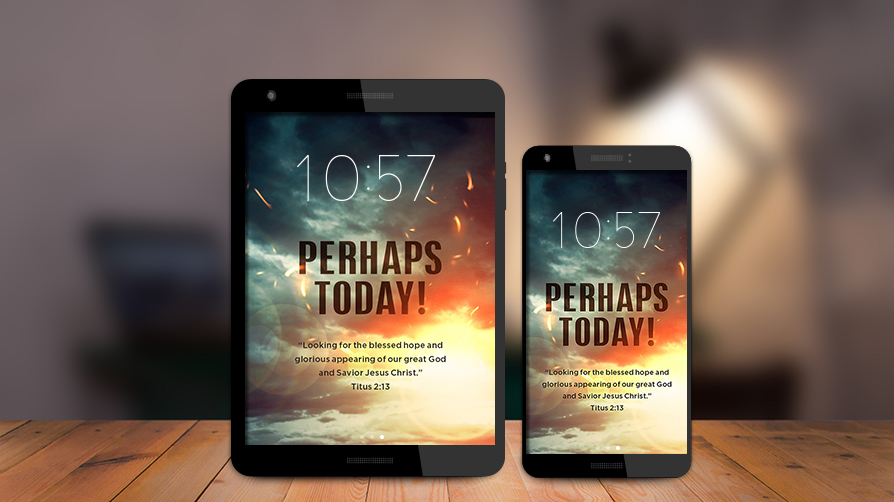
For Your Phone or Tablet
Official Mobile App and Lock Screens

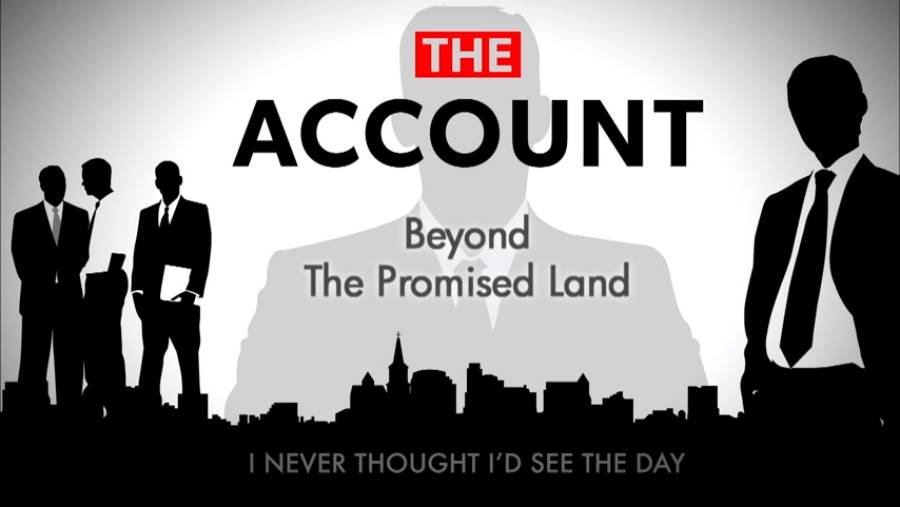
Beyond the Promised Land
This is episode nine from The Account, an original Turning Point Television production that was created to introduce David Jeremiah's teaching series I Never Thought I'd See the Day! Its message remains relevant for us as we are Living in the Age of Signs.
The Account takes you back to the 1960's when the advertising agency of Wyndham Ridgestone landed the most mysterious client in the history of their firm. This shadowy and intimidating Client hires the firm to influence the masses—to sway the behavior of people toward a liberal mindset—to market a moral shift in American culture. The faceless and nameless Client presents ten issues to the advertising firm and employs it to create these morally destructive campaigns.