
Dr. David Jeremiah Presents
Living inthe Ageof Signs
Online Destination

Living in the Age of Signs
Online Destination
Sign 2



As Good as Done
Today’s Audio Devotion:
As Good as Done
If someone includes you in their will, your inheritance is as good as done even though it may be years before you receive it. Words spoken with authority before the fact ensure that what is spoken will take place.
That was the case when Joshua prepared to lead the Israelites into the Promised Land. Before Joshua and the people crossed the Jordan River and entered into the land, God said He was giving the land to them. Even though God said it before it happened, it ultimately took place just as He said it would. It happened again before the Israelites captured Jericho: “I have given Jericho into your hand” (Joshua 6:2). When God makes a promise about something in the future, His promise removes all fear. We can be certain that what He has said or what He has called us to do, will be accomplished.
What has God called you to do? His calling removes any reason to fear the future.
Nothing is more offensive to God than disbelief of His promise.
Matthew Henry

For Your Phone or Tablet
Official Mobile App and Lock Screens




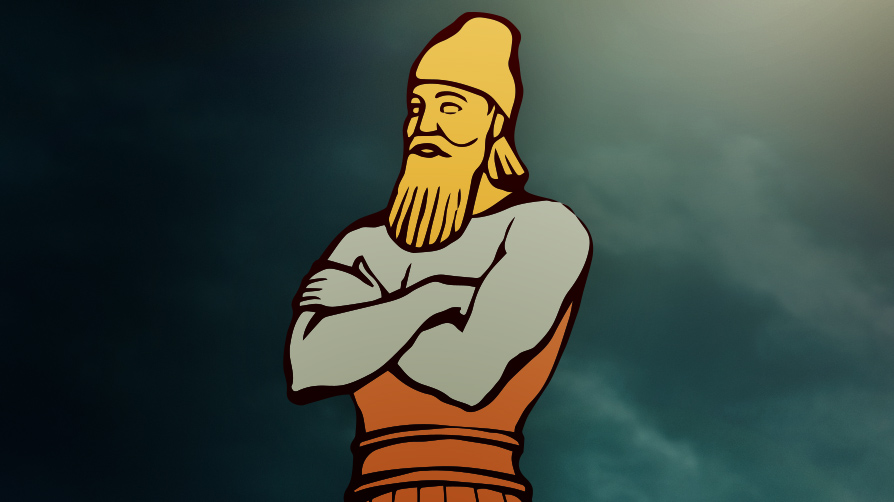
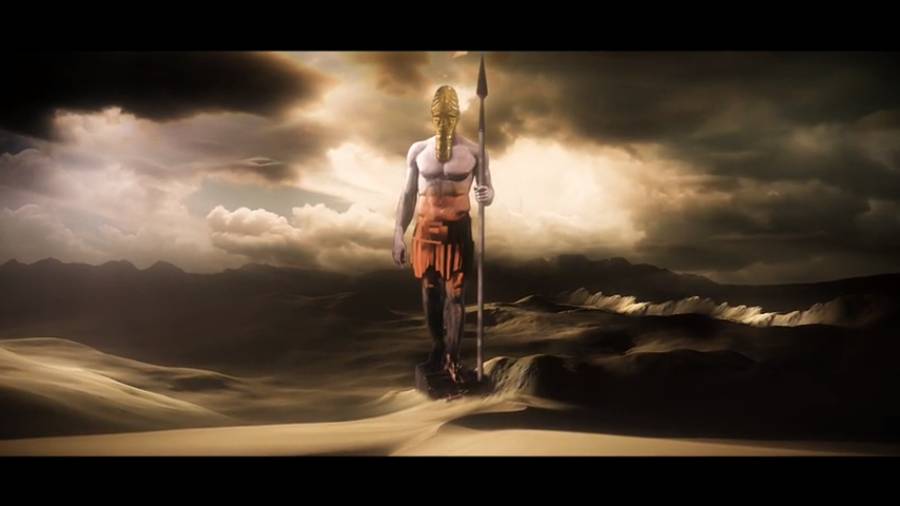
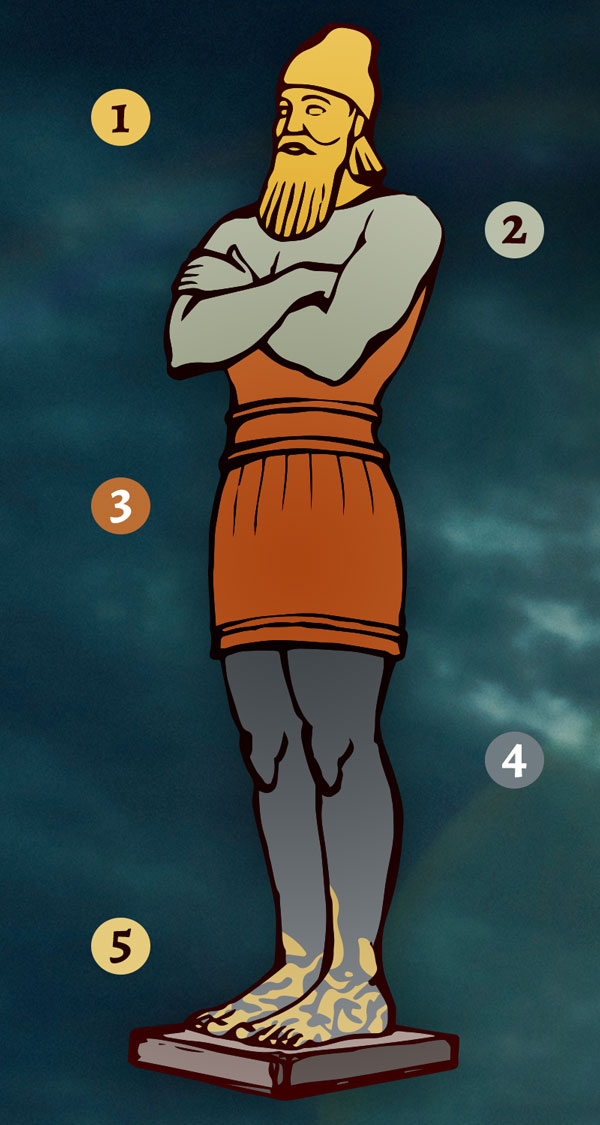
Some 2,600 years ago, God gave King Nebuchadnezzar a dream. In this dream, the king saw a five–part statue made of five different metals (see Daniel 2). Each section represented an empire, beginning with Nebuchadnezzar's Babylon. Four of these empires have already risen and fallen in history—a clear fulfillment of Daniel's prophetic interpretation. The fifth and final empire indicates a future Europe—a ten nation coalition that will unite under the Antichrist's rule.
You can read about the King's dream and Daniel's interpretation in Daniel 2, but let's take a quick visual look at what you will find:
-
King Nebuchadnezzar's Babylon
Daniel's words to the king are clear. "You are this head of gold" (Daniel 2:37–38).
-
Medo–Persian Empire
The Medo–Persian Empire conquered Babylon in 539 BC and remained in power for approximately two hundred years (Daniel 5:28).
-
Grecian Empire
Greece's Empire succeeded the Medo–Persians (Daniel 8:21).
-
Roman Empire
When the Grecian empire was conquered by Rome, all the lands and peoples of the previous kingdoms were assimilated into the Roman Empire through the strengths of the "iron legions of Rome" (Daniel 2:40).
-
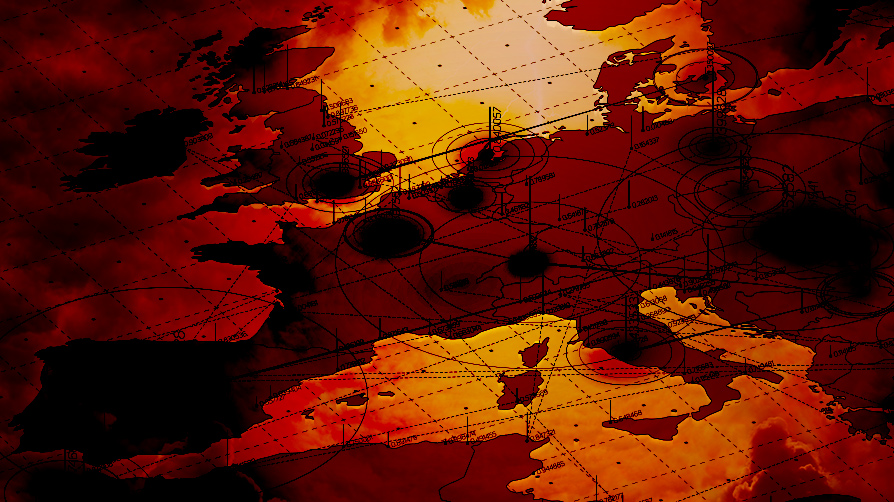
Future European Coalition
This empire has not yet risen. Daniel foretells a time when the Roman Empire—Europe—will consist of ten kingdoms or leaders. The future Roman Empire will be present on the earth when God sets up His earthly kingdom (Daniel 2:44).